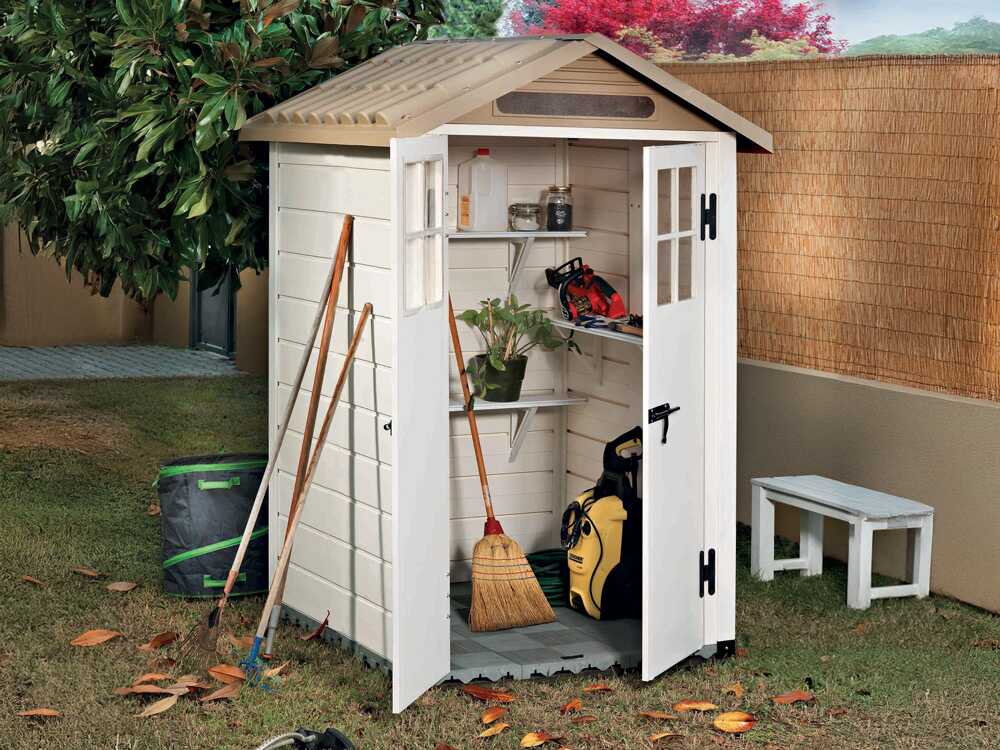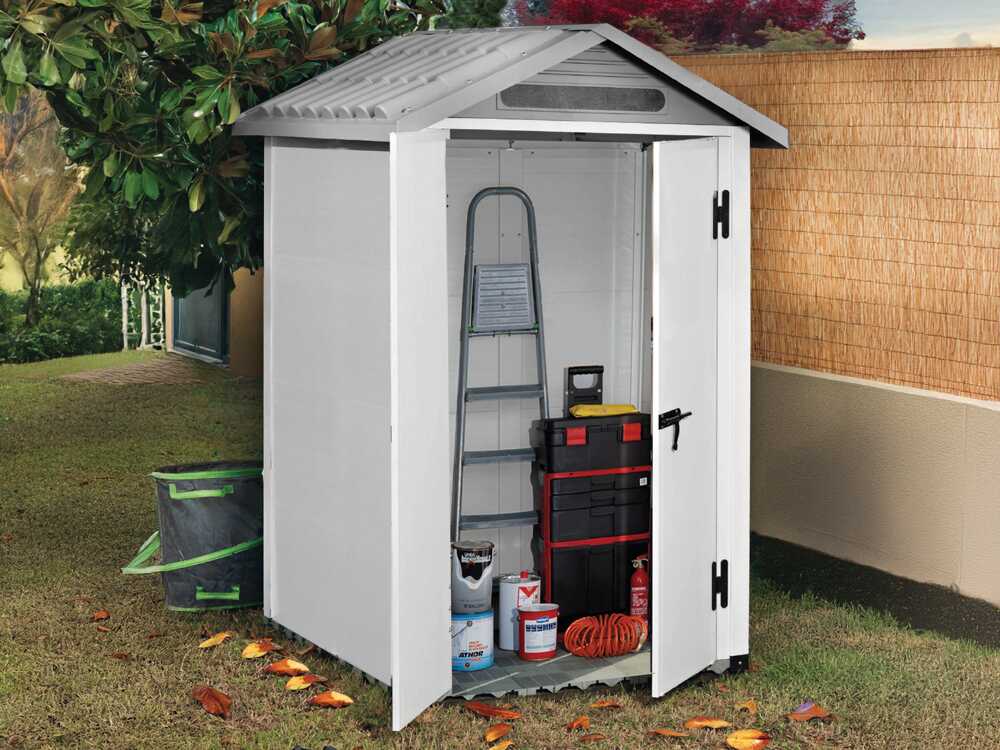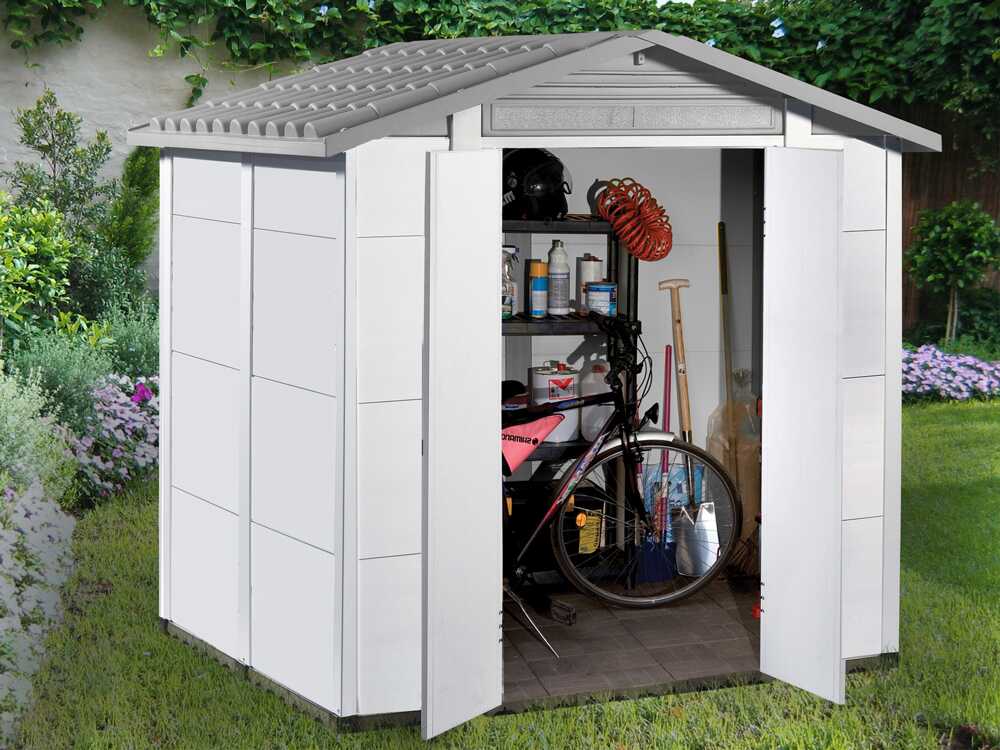
Garofalo Tuscany Evo 120 – Caseta de jardín – Con ventanas y puerta de doble hoja – 122.5×122.5×214 cm
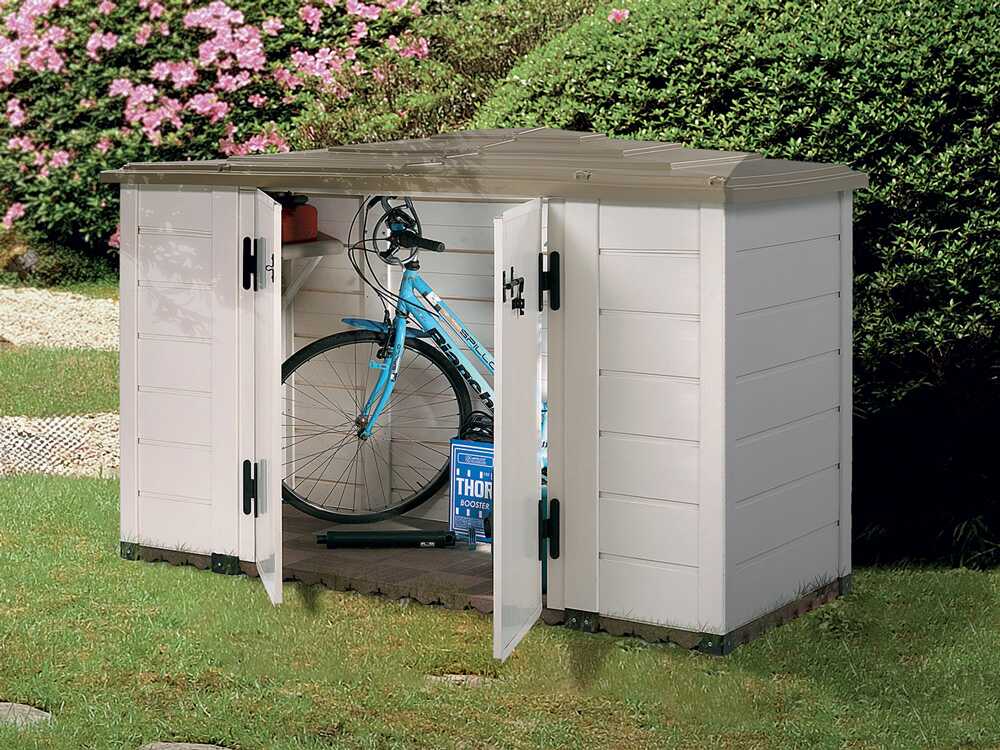
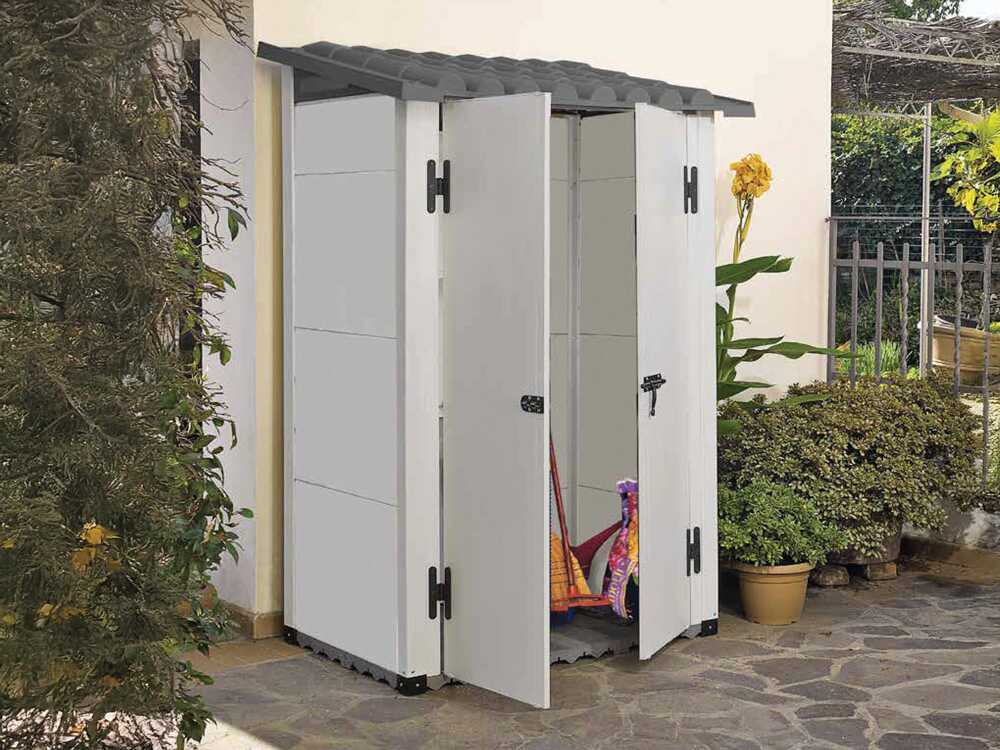
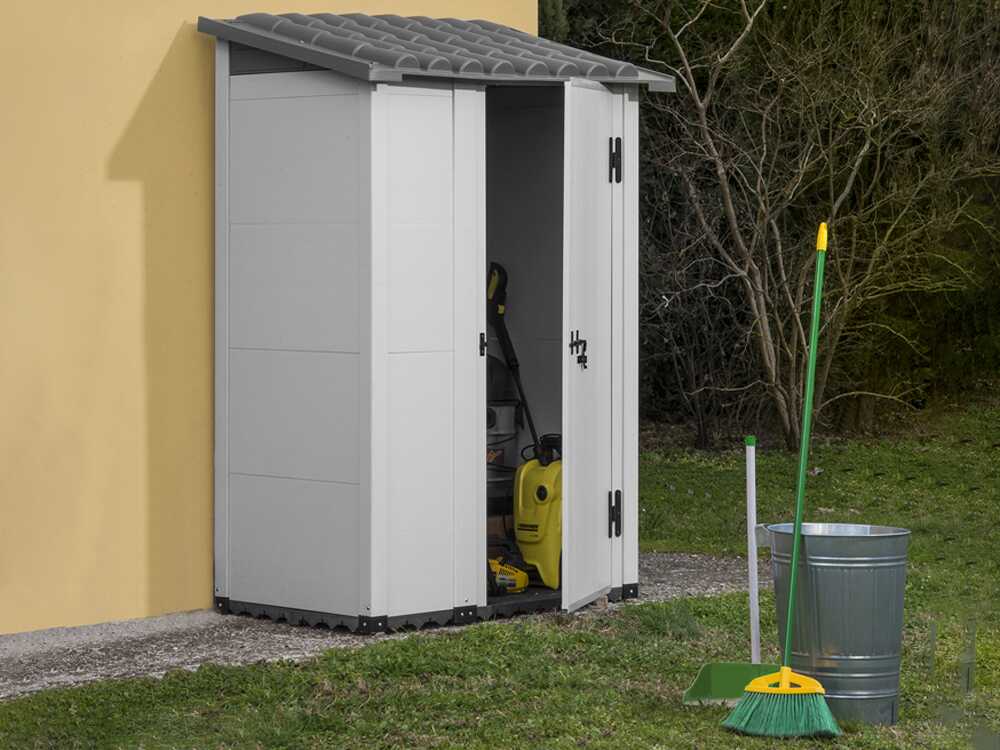
Garofalo Tuscany Evo 200 – Armario para herramientas – 202.5×82.5×133 cm
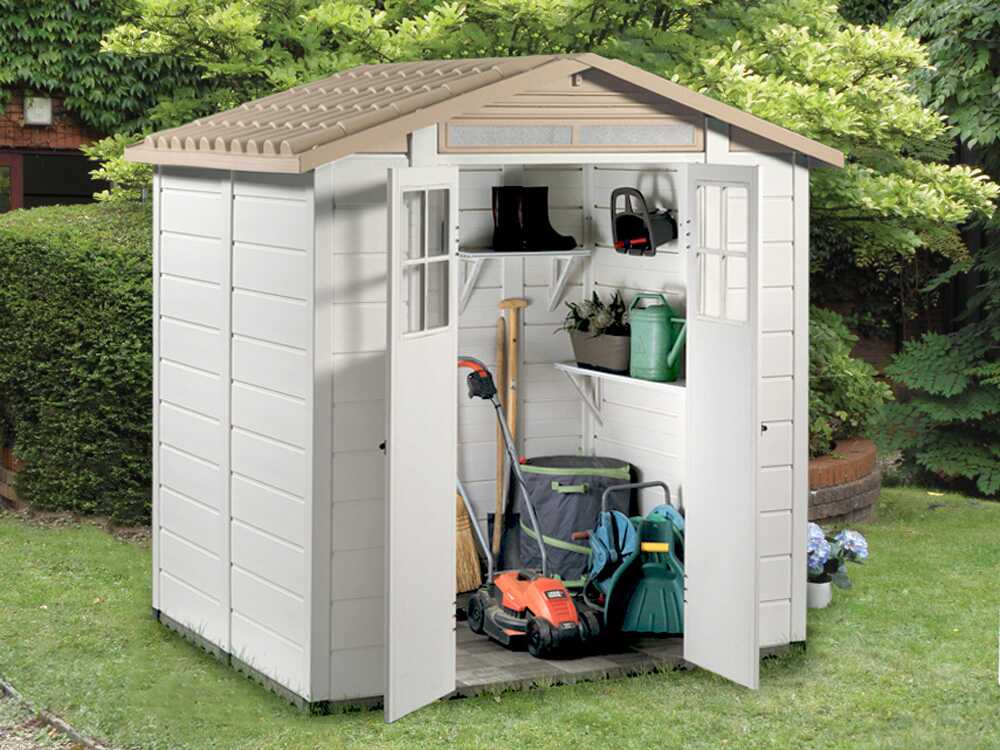
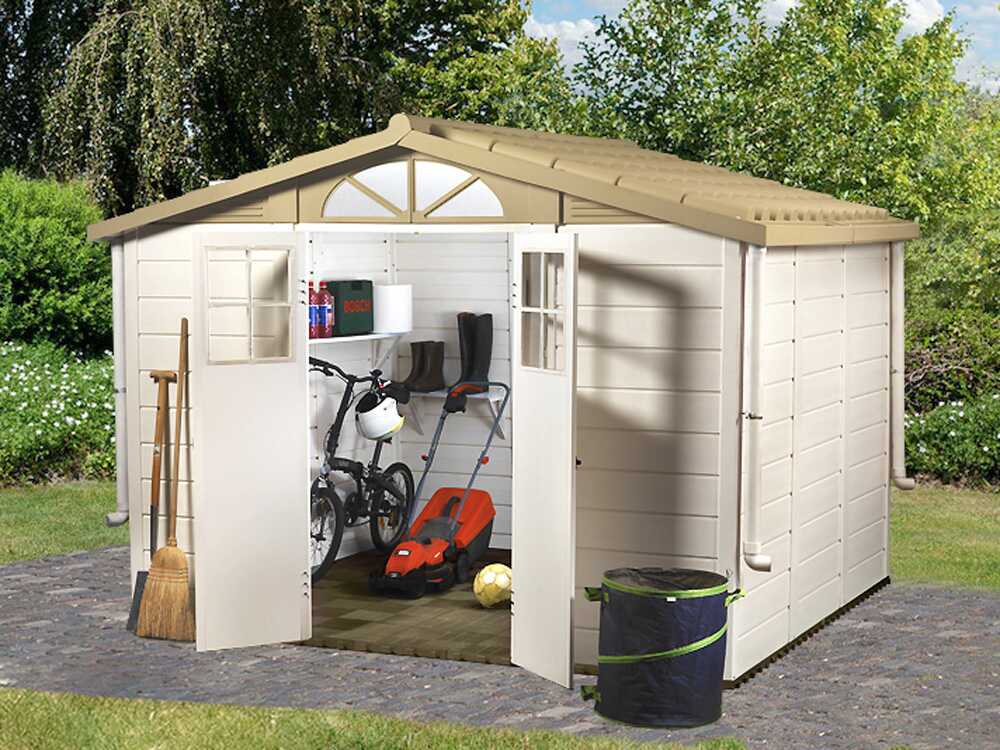
Garofalo Tuscany Evo 200 – Caseta de jardín – Con ventanas y puerta de doble hoja – 202.5×162.5×216 cm
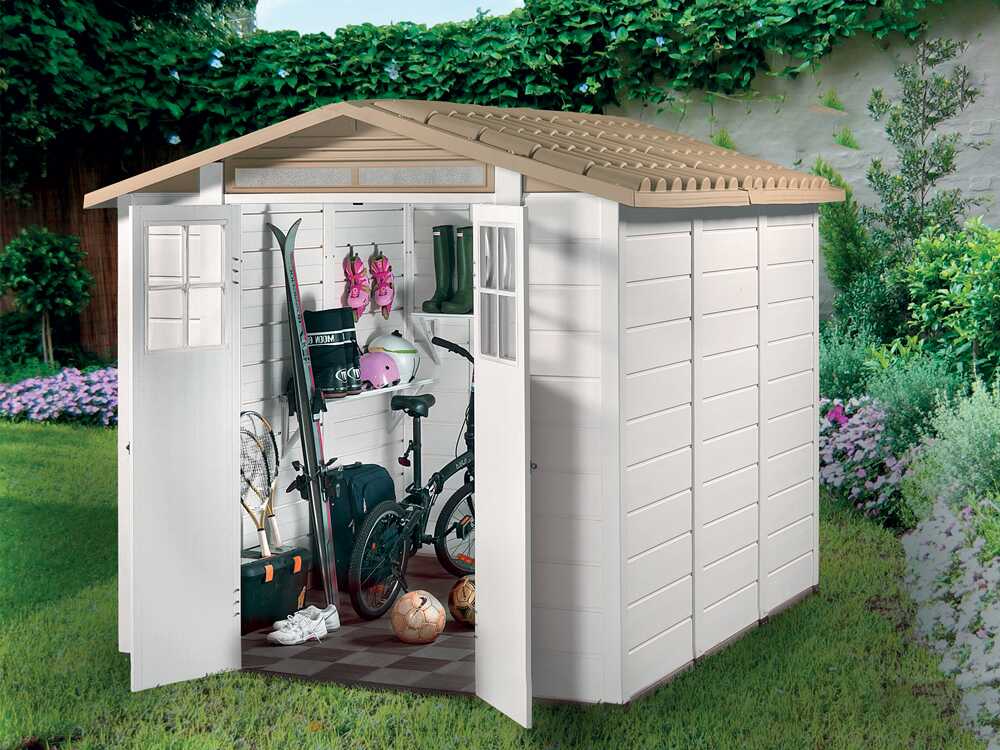
Garofalo Tuscany Evo 240 – Caseta de jardín – Con ventanas y puerta de doble hoja – 202,5 x 242,5 x 220 cm
Garofalo Tuscany Evo 280 – Caseta de jardín – Con ventanas y puerta de doble hoja – 282.5×242.5×225 cm
Garofalo Urban 100 – Caseta de jardín – Con puerta de doble hoja – 122.5×82.5×201 cm
Garofalo Urban 100 – Caseta de jardín – Con puerta descentrada – 122,5 x 82,5 x 201 cm
Garofalo Urban 120 – Caseta de jardín – Con puerta de doble hoja – 122,5 x 122,5 x 214 cm
Garofalo Urban 200 – Caseta de jardín – Con puerta de doble hoja – 202,5 x 162,5 x 216 cm
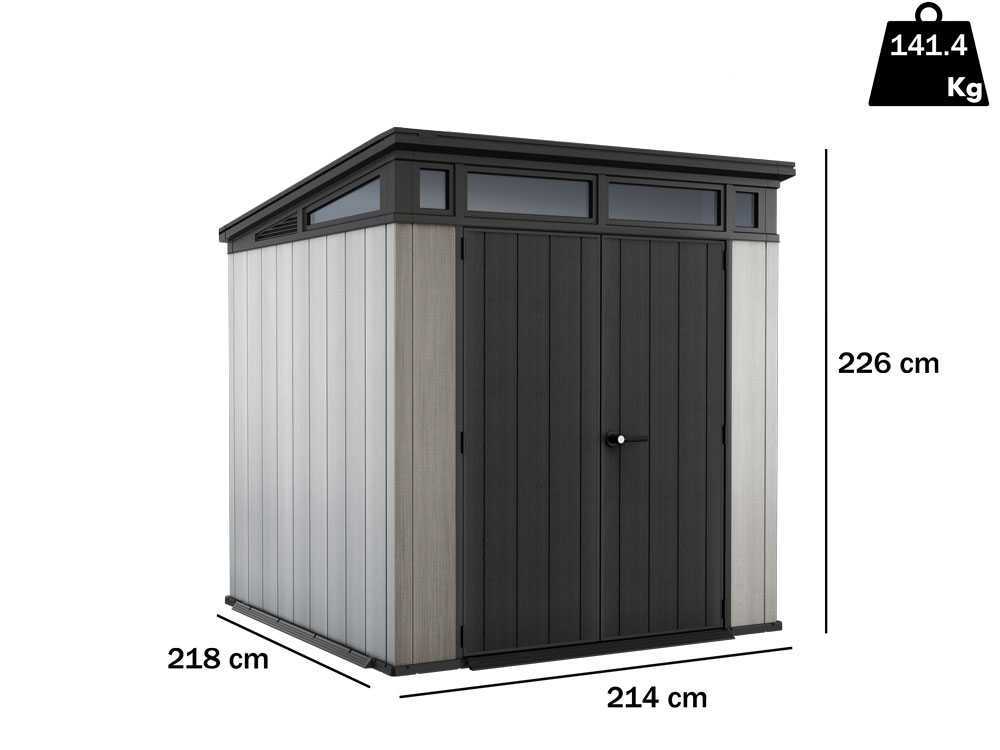
Keter Artisan gris – Caseta de jardín – Con puerta de dos hojas – 214x218x226 cm
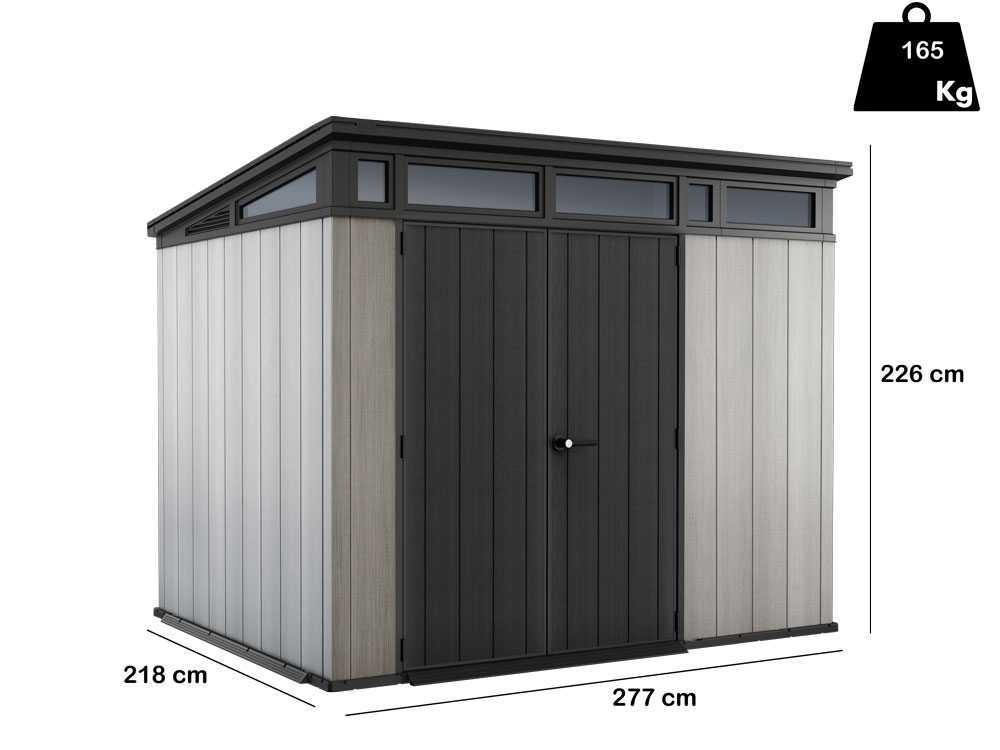
Keter Artisan gris – Caseta de jardín – Con puerta de dos hojas – 277x218x226 cm
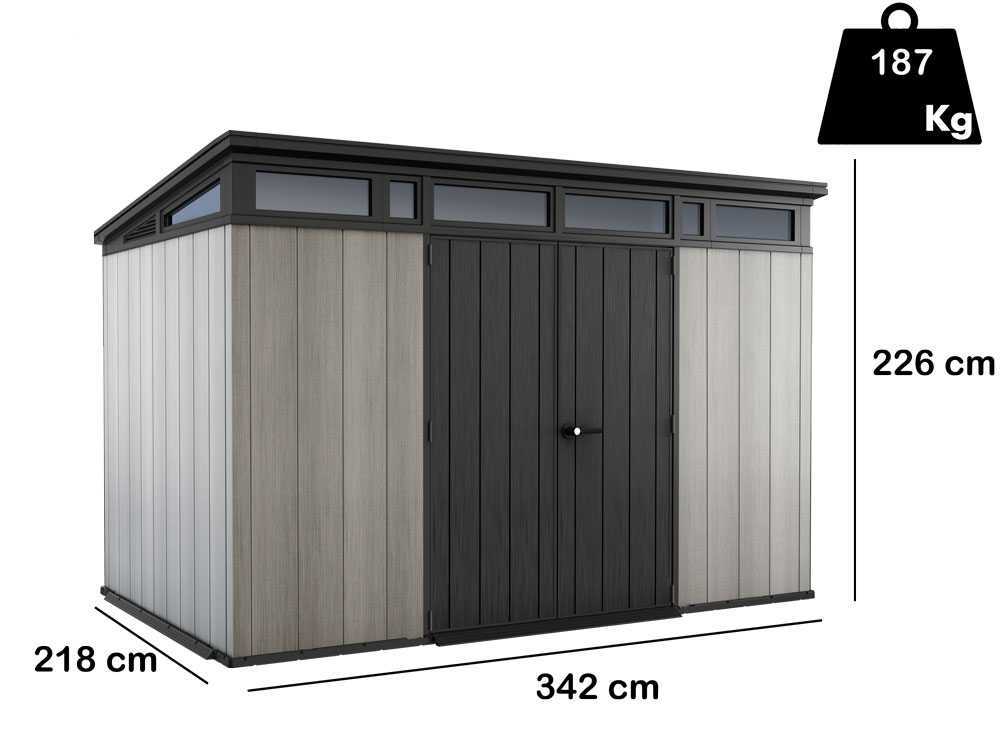
Keter Artisan gris – Caseta de jardín – Con puerta de dos hojas – 342x218x226 cm
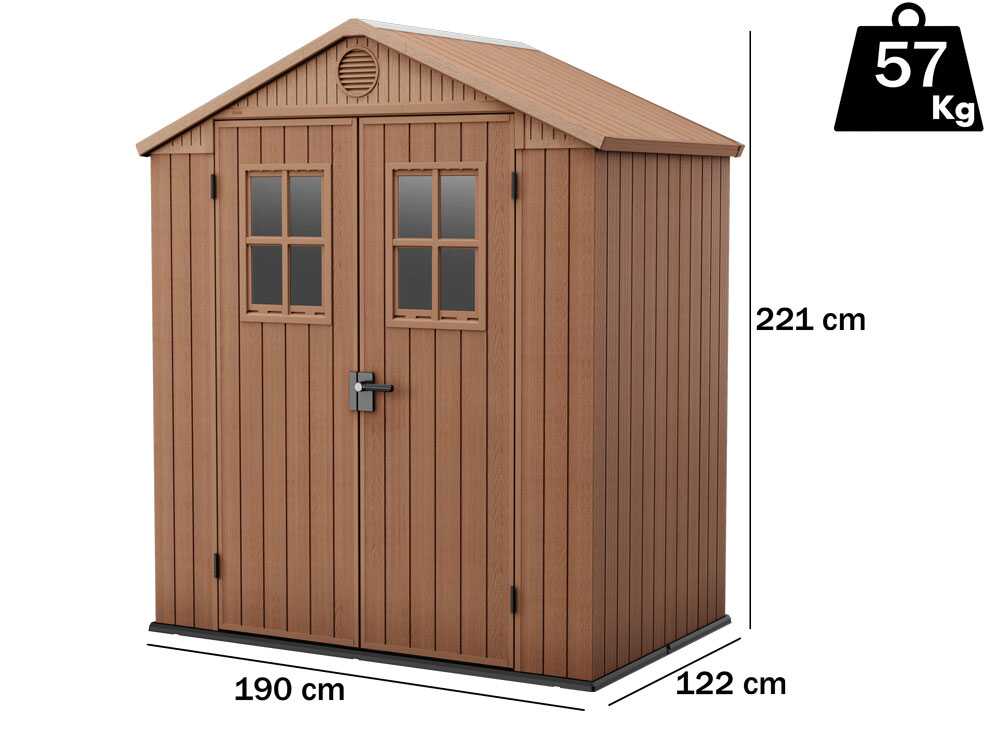
Keter Darwin marrón – Caseta de jardín – Con ventanas delanteras – 190x122x221 cm
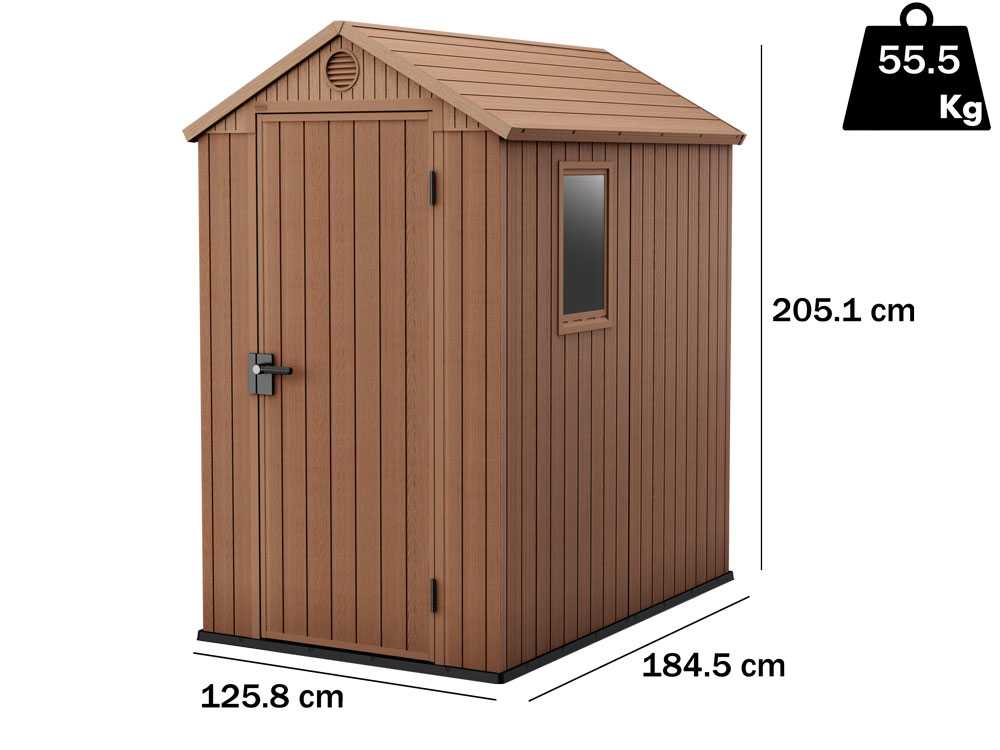
Keter Darwin marrón – Caseta para herramientas – Con ventana lateral – 125×184.5×205 cm
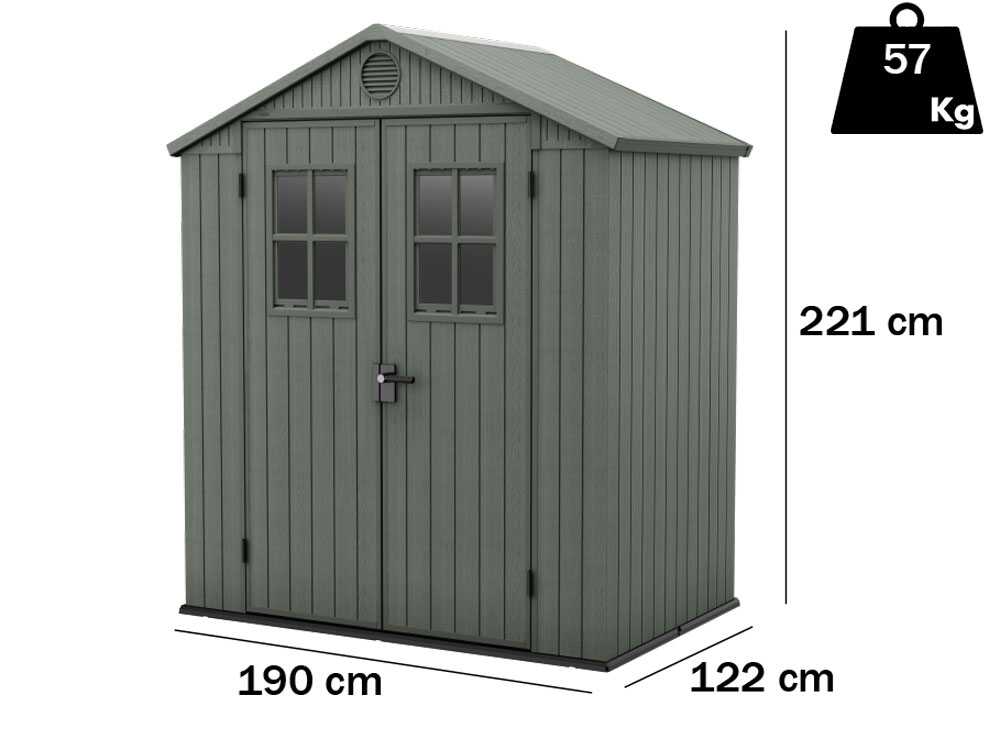
Keter Darwin verde – Caseta de jardín – Con ventanas delanteras – 190x122x221 cm
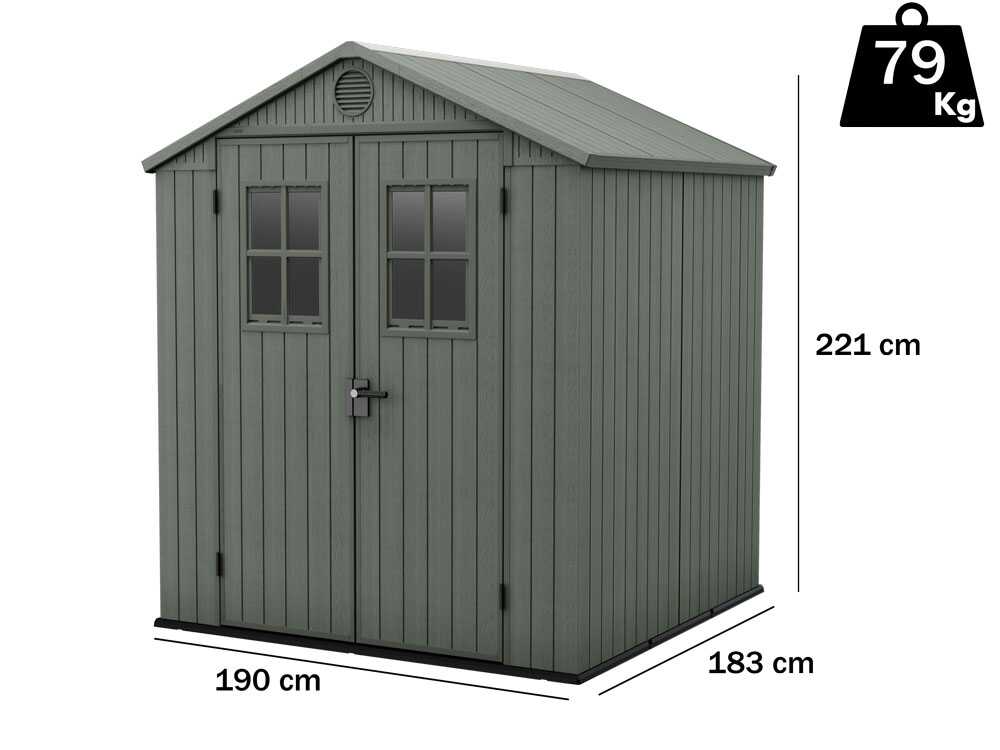
Keter Darwin verde – Caseta de jardín – Con ventanas delanteras – 190x183x221 cm
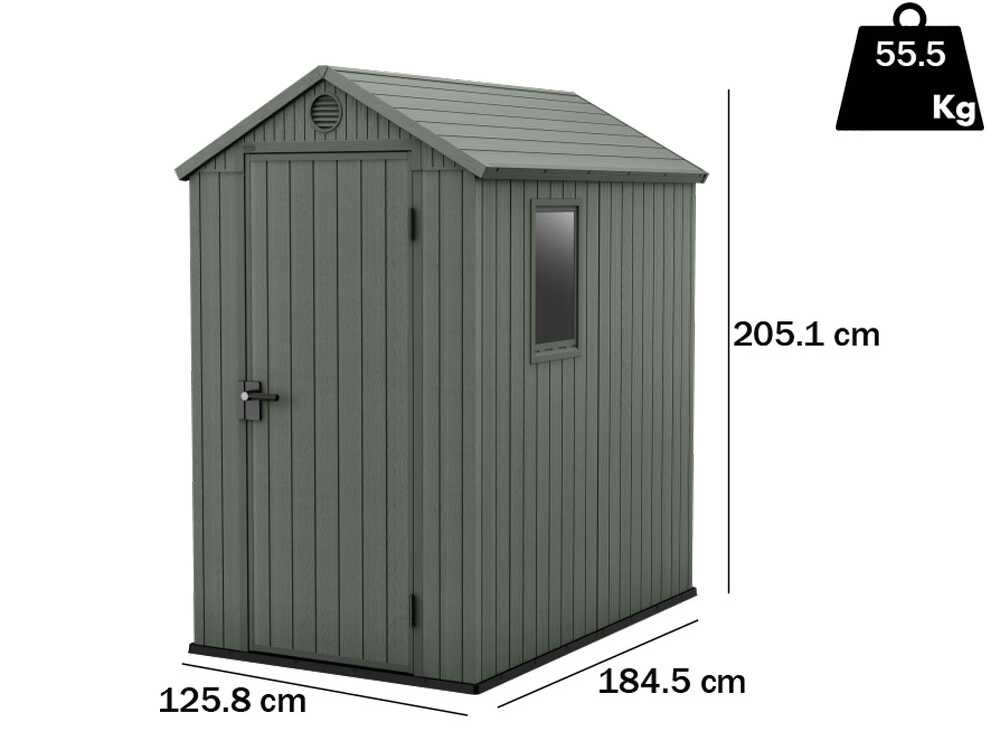
Keter Darwin verde – Caseta para herramientas – Con ventana lateral – 125.8×184.5×205 cm
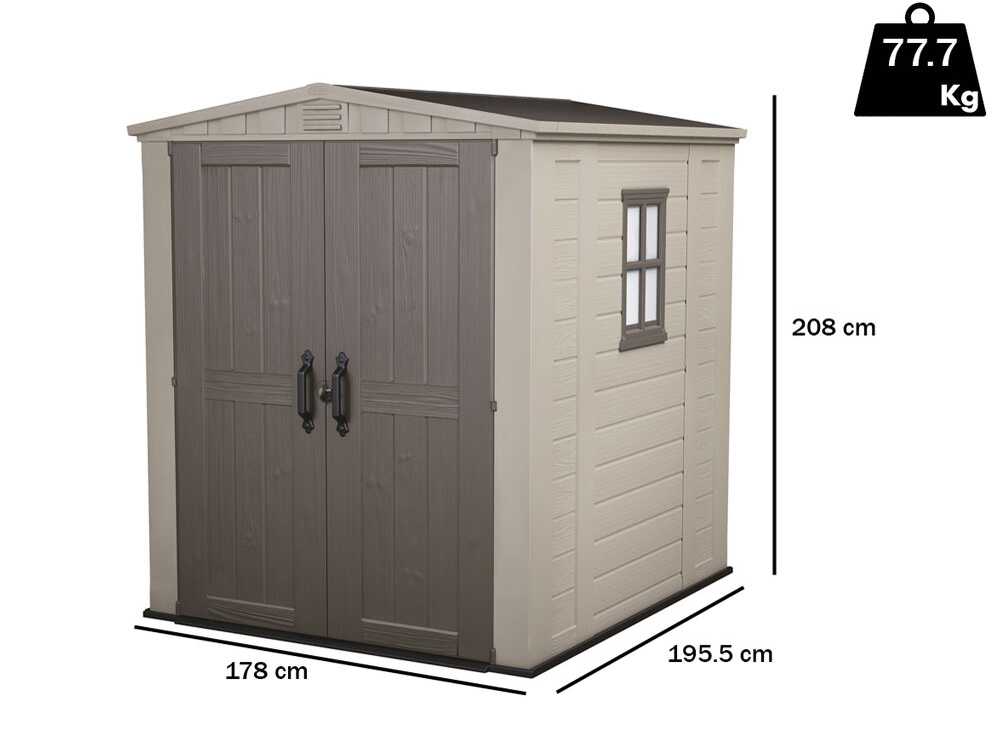
Keter Factor beis – Caseta de jardín – Con ventana lateral – 178×195.5×208 cm
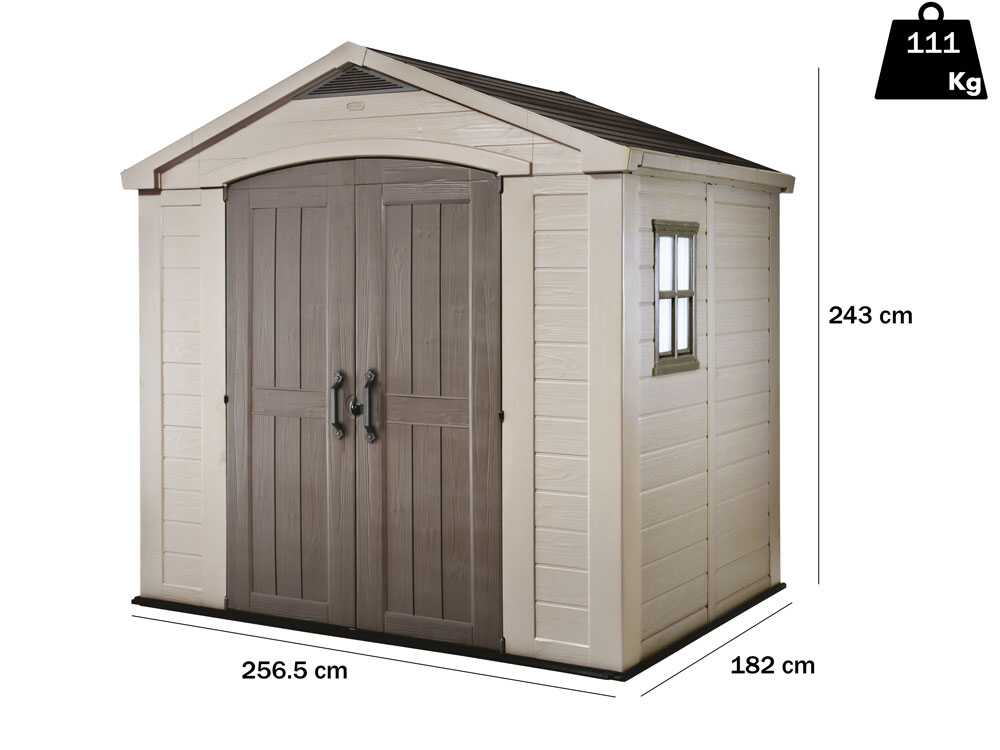
Keter Factor beis – Caseta de jardín – Con ventana lateral – 256.5x182x243 cm
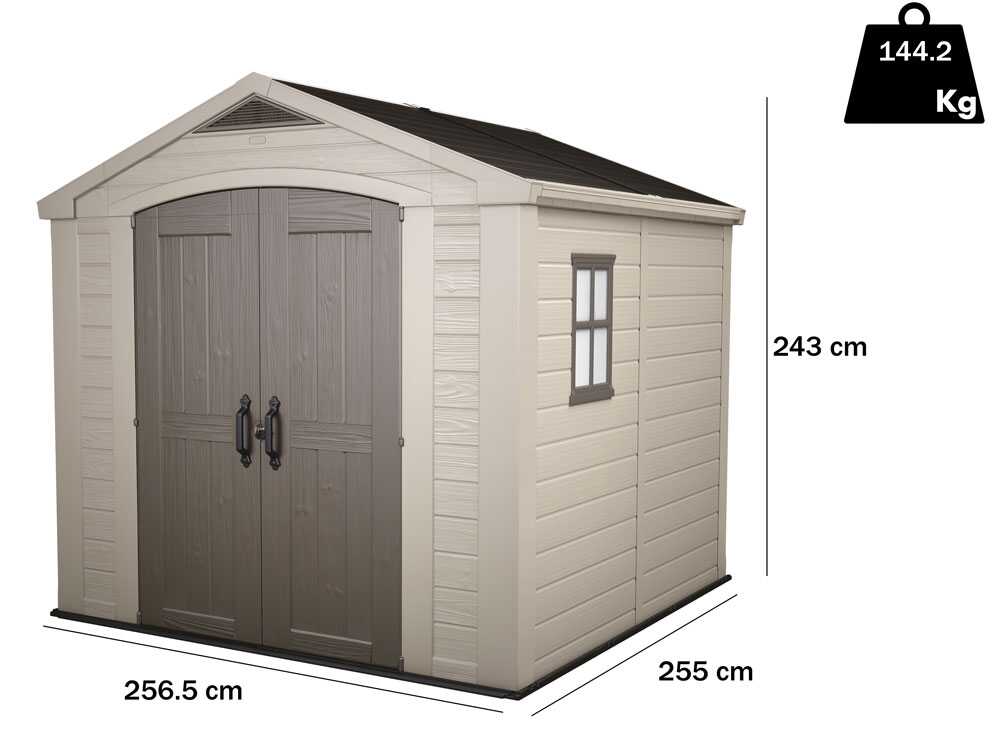
Keter Factor beis – Caseta de jardín – Con ventana lateral – 256.5x255x243 cm
Online store of household appliances and electronics
Then the question arises: where’s the content? Not there yet? That’s not so bad, there’s dummy copy to the rescue. But worse, what if the fish doesn’t fit in the can, the foot’s to big for the boot? Or to small? To short sentences, to many headings, images too large for the proposed design, or too small, or they fit in but it looks iffy for reasons.
A client that’s unhappy for a reason is a problem, a client that’s unhappy though he or her can’t quite put a finger on it is worse. Chances are there wasn’t collaboration, communication, and checkpoints, there wasn’t a process agreed upon or specified with the granularity required. It’s content strategy gone awry right from the start. If that’s what you think how bout the other way around? How can you evaluate content without design? No typography, no colors, no layout, no styles, all those things that convey the important signals that go beyond the mere textual, hierarchies of information, weight, emphasis, oblique stresses, priorities, all those subtle cues that also have visual and emotional appeal to the reader.